Category: Irish Times
-
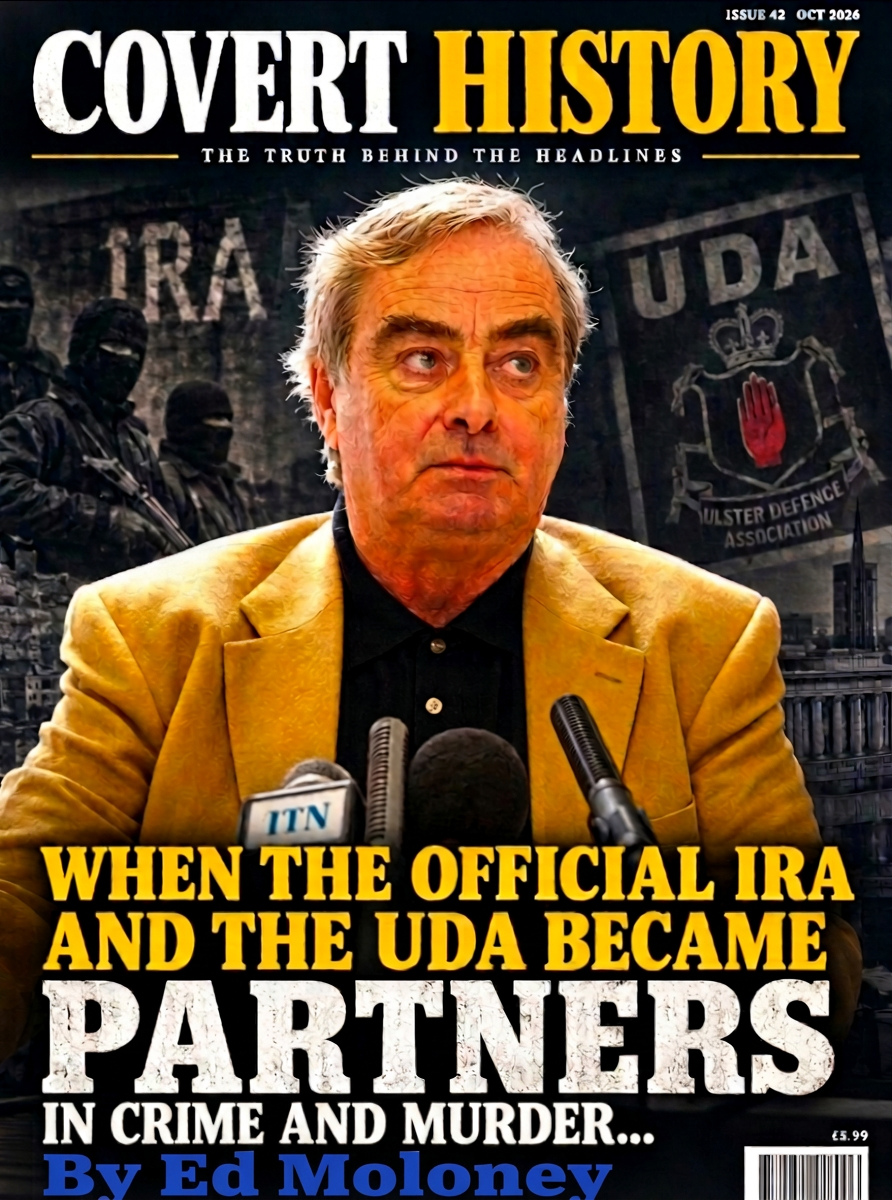
The Irish Times, the Official IRA and the UDA.

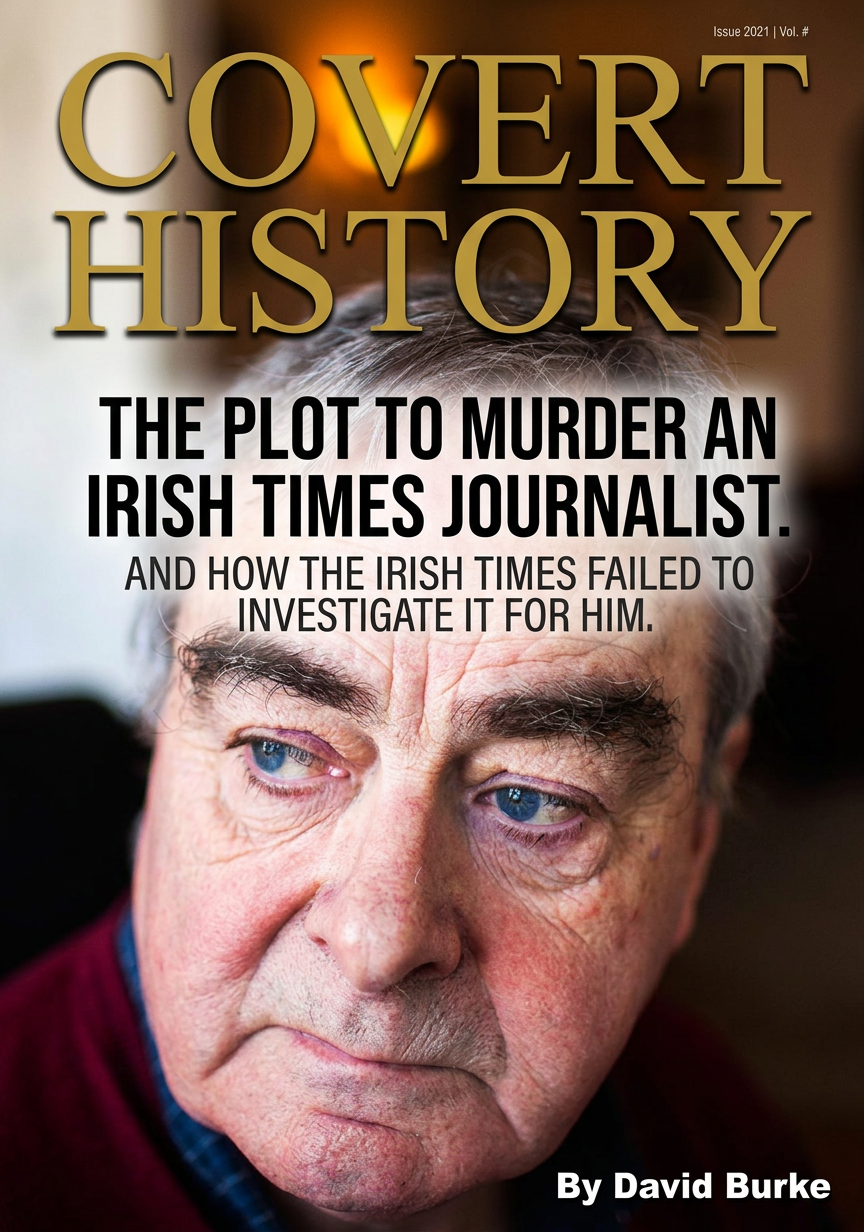
Ed Moloney passed away a year ago while trying to get The Irish Times to investigate a sordid attempt to murder him. He wrote about the plot in his ‘Broken Elbow’ blog. He also liaised with Covert History in publicising his campaign. We helped him secure a solicitor. He was rebuffed by The Irish Times.…
-
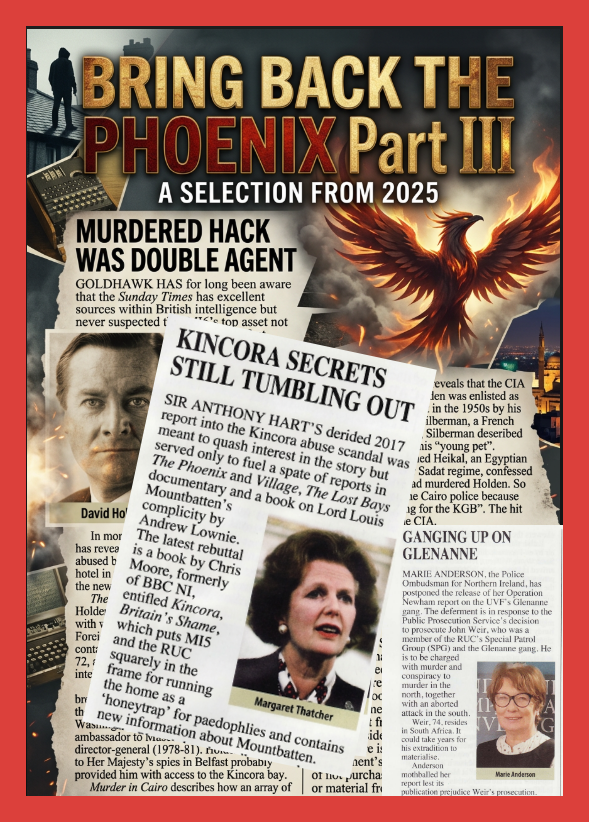
Bring Back The Phoenix, Part III. Check out 50 plus stories from 2025.
Continuing our campaign to bring back The Phoenix magazine, here is a selection of stories from 2025 which underline what we are missing. They cover MI5 and MI6 dirty tricks, neutrality, and much more besides. A selection from 2026 will appear next week. The PDF at the end of this article includes a selection of…
-
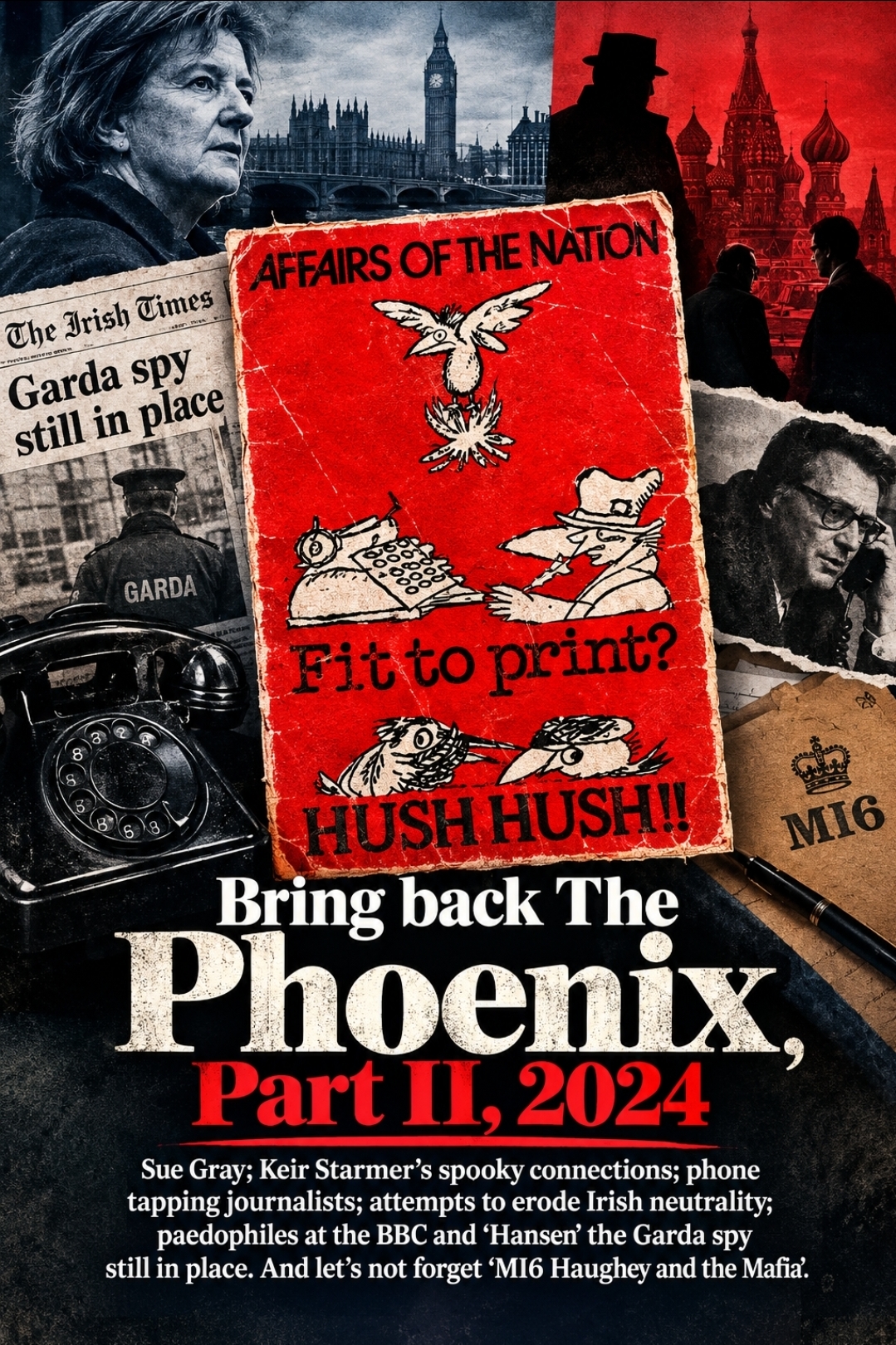
Bring back The Phoenix Part II: 50+ espionage and dirty trick stories from 2024.
Click on the link below to read a selection of stories from The Phoenix 2024, including: Brig. Frank Kitson’s dirty war; what really happened on Bloody Sunday (not the nonsense in the Savile Inquiry report); Patrick Crinnion, MI6’s spy inside the Gardaí; the Dublin and Monaghan bombings; Barrie Gane of MI6; Freddie Scappaticci; the Kincora…
-
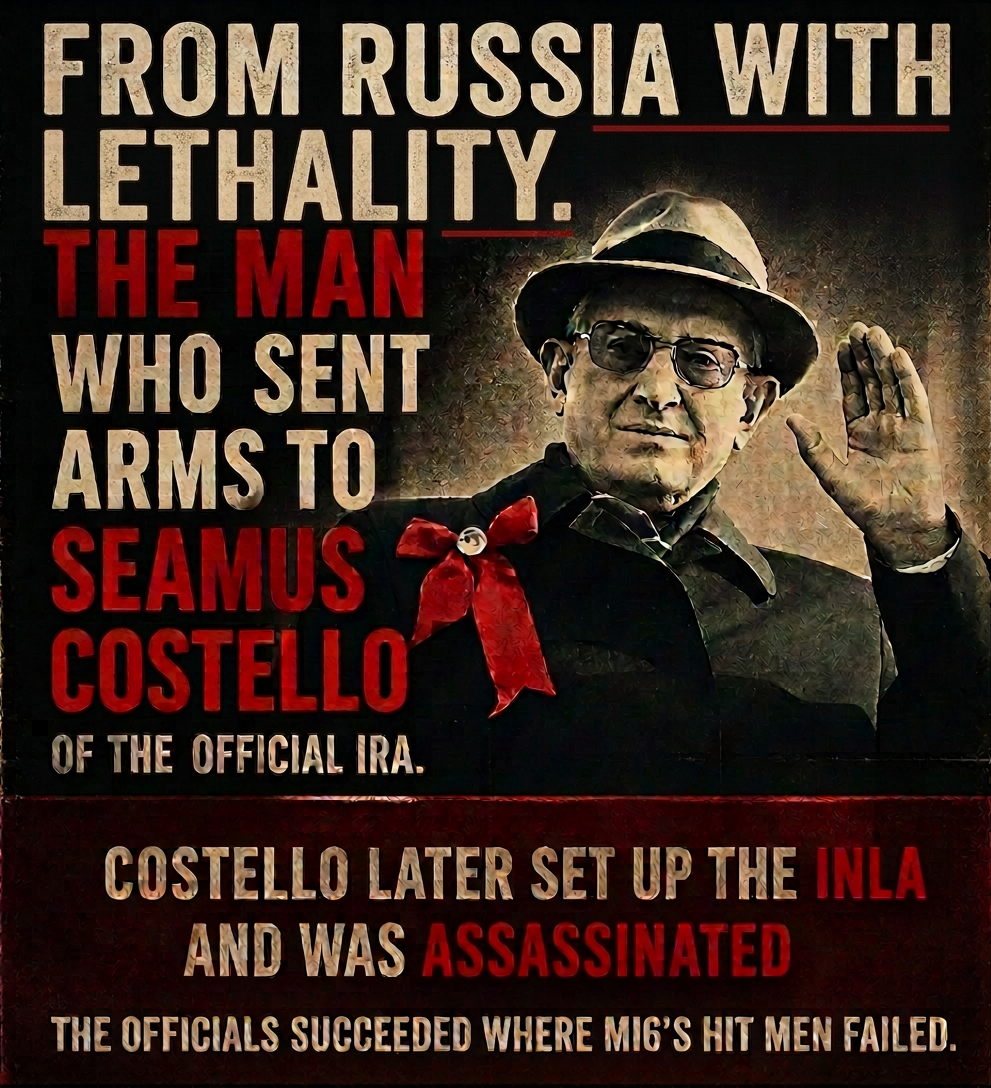
From Russia with Lethality.
By David Burke. In October 1977, Hibernia, a weekly Dublin periodical, published an article by Brian Trench about the assassination of Seamus Costello, Chief of Staff of the Irish National Liberation Army (INLA). The Hibernia article is rich in detail about the feuding between the INLA and the Official IRA. Costello had once been a…
-
Armageddon.
There is a memorable scene in Stanley Kubrick’s Dr. Strangelove where the leaders of America and Russia find themselves locked into a catastrophic war because of the existence of a doomsday machine originally designed to enforce world peace. British Prime Minister Keir Starmer now faces a potential doomsday scenario of his own. He is trying…
-
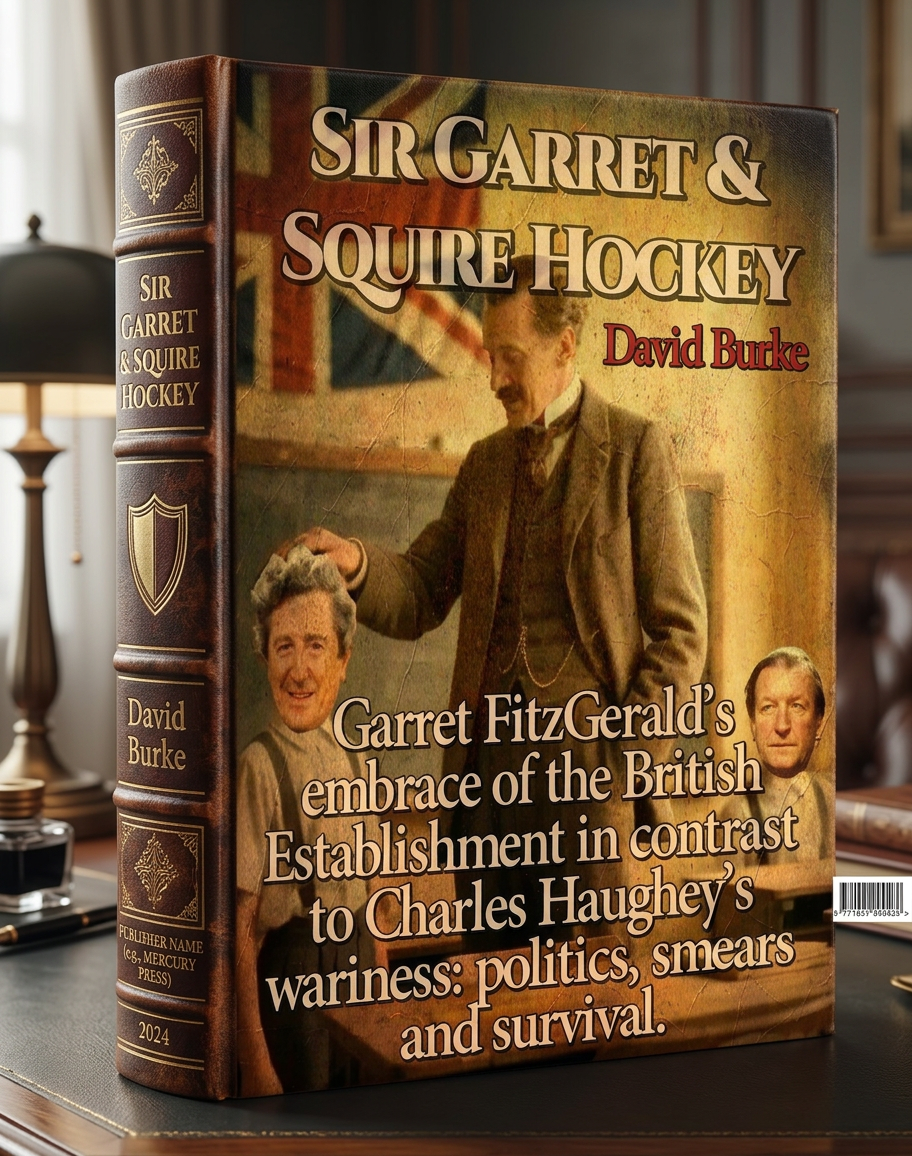
Sir Garret (Webbook)
Introduction. Charles Haughey of Fianna Fáil and Garret FitzGerald of Fine Gael took very different approaches when dealing with Britain’s covert intelligence services and the more questionable diplomats assigned to the Dublin embassy. While FitzGerald was happy to dance with Her Majesty’s emissaries and spooks, Haughey recoiled. This contrast was never more apparent than when…
-
Mooney (Webbook)
Hugh Mooney, a graduate of Trinity College Dublin, worked at The Irish Times before becoming the UK’s foremost black propagandist in the early 1970s. Among his many successes, he distorted the truth about what happened on Bloody Sunday, the bombing of McGurk’s bar and circulated smears about John Hume. The Bloody Sunday and John Hume…
-
Ed Moloney murder plot.
Ed Moloney, who passed away last October, served as Northern editor of The Irish Times, 1981-85. He wrote a weekly column titled ‘Northern notebook’ for the paper. On 21 October 2025, The Irish Times lauded Moloney and quoted a family statement revealing that he ‘was briefly a member of the Official IRA – in its political phase –…
-
The Mac Bride Principles: Genesis and History
An Army of Principles Will Penetrate Where an Army of Soldiers Cannot—Thomas Paine 1. I want to set out here for the historical record how the Irish National Caucus initiated, proposed, and launched the Mac Bride Principles. This is all the more important since there have been some attempts at revisionism. I will have to give…
-
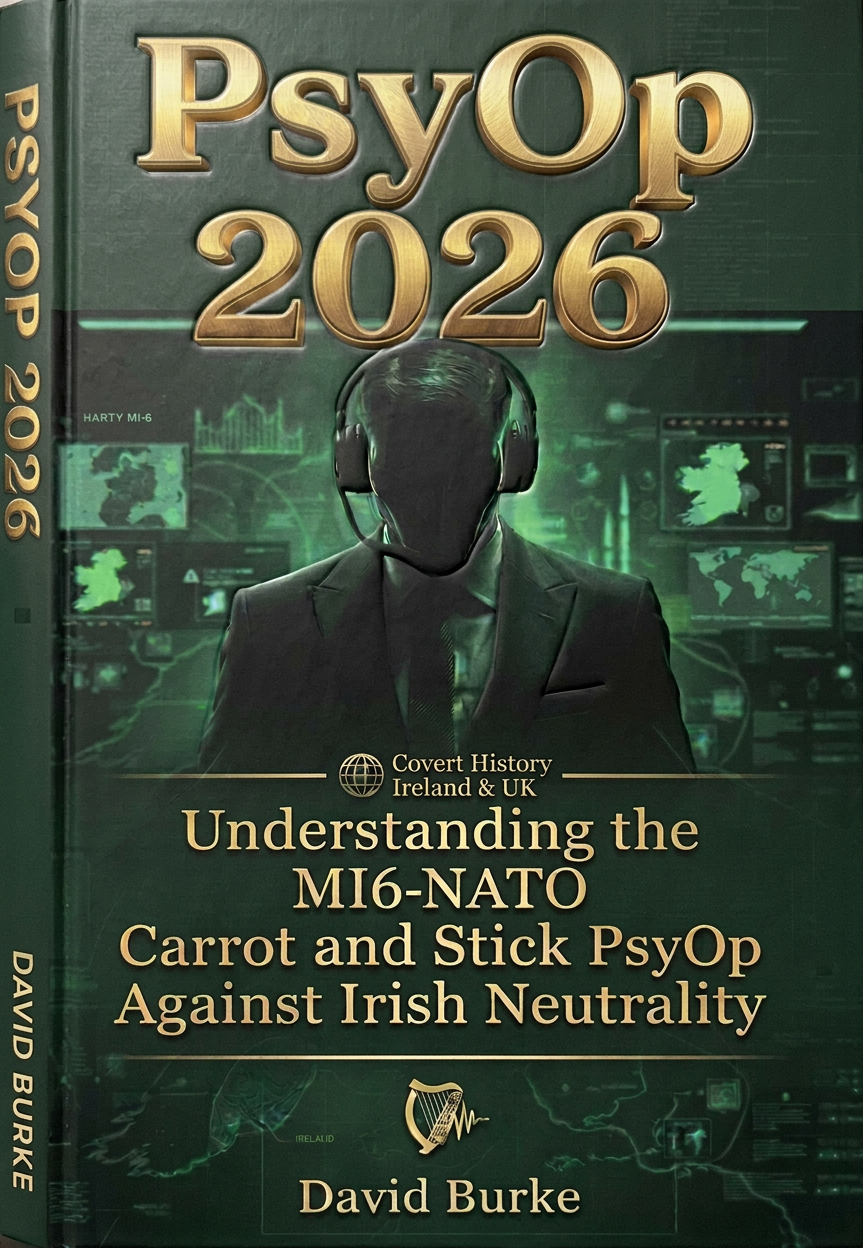
Psyop (Webbook)
In November 2025, a British ‘security expert’ inadvertently disclosed the broad outline of a British-led psychological operation (PsyOp) to undermine Irish neutrality to London’s Financial Times. The paper revealed that an anti-neutrality campaign was underway, although ‘still far from fruition and would have to be extremely carefully managed‘. The purpose of the operation was to…
-
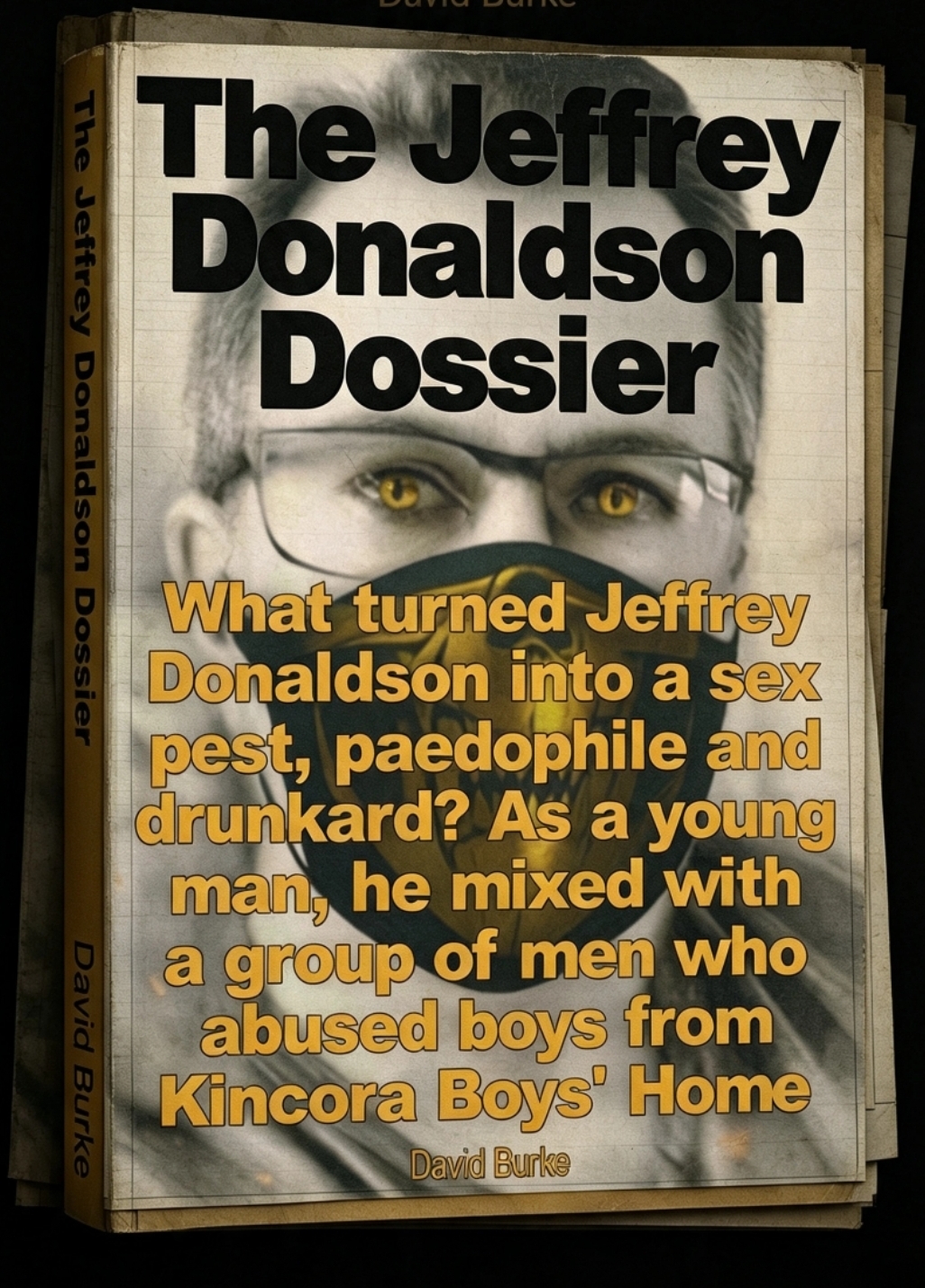
Donaldson Dossier (Webbook)
Introduction: A lesson in real-life politics for slow learners. The Kincora Boys’ Home child sex abuse scandal erupted in 1980. It never went away. There are links between it and the case of Jeffrey Donaldson, the former DUP leader who was arrested in 2024 on child abuse charges, and convicted in 2026. Shadowy intelligence agencies…
-
Our Man in Dublin. [WebBook]
1. Introduction. There was a deeply clandestine aspect to the Troubles. It involved the manipulation of public opinion via propaganda. All of the parties involved in the conflict participated in the process to one extent or another. Britain’s Foreign Office was by far the most successful. The British Secret Service (MI6) and the Information Research…
-
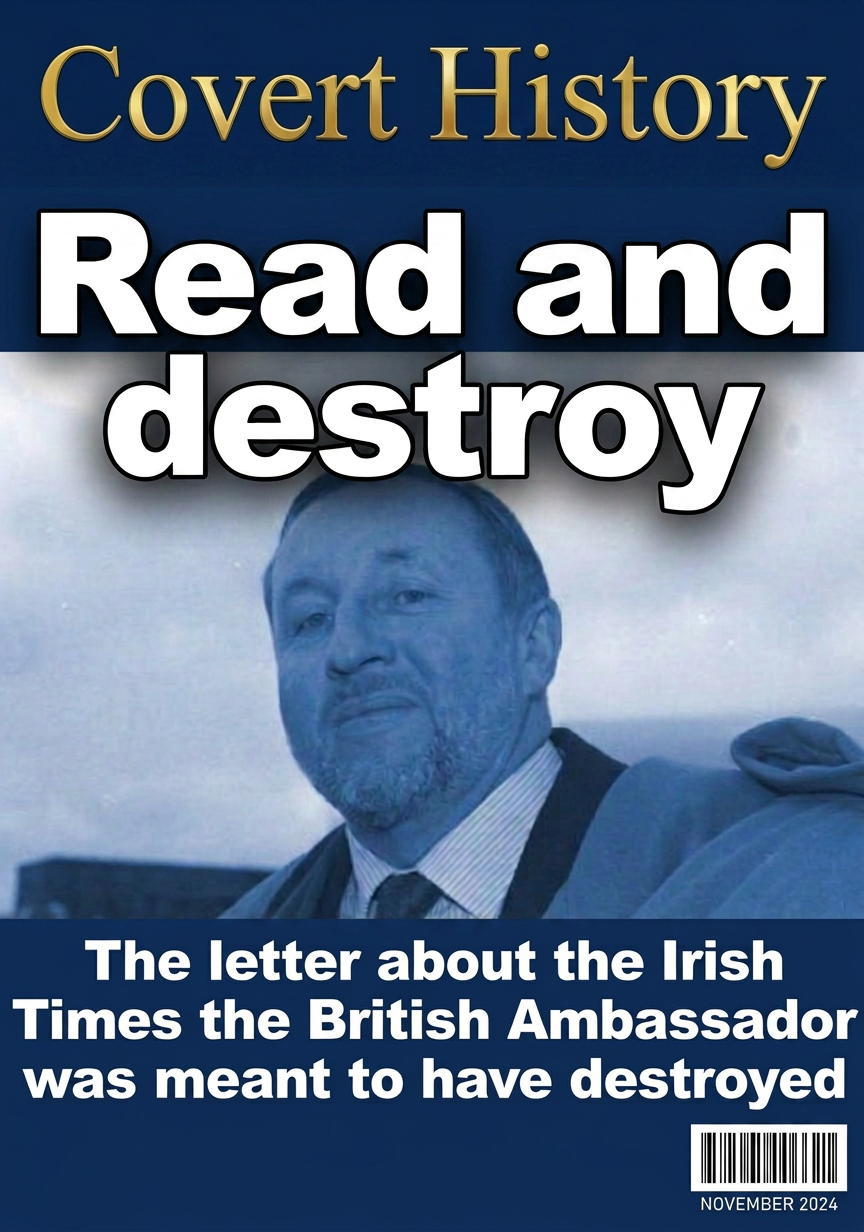
Read and destroy
1. “A certain degree of guidance”. In October 1969, Maj. Thomas McDowell, an ex-British army officer from Belfast, asked the British Ambassador to Dublin, Sir Andrew Gilchrist, for “guidance, in respect of which lines were helpful and which unhelpful” for publication in The Irish Times. McDowell and a number of his colleagues owned the paper.…
-
Hidden agendas.
1. The Irish Times gave a platform to the Official IRA during the Troubles. Dick Walsh, the political correspondent of The Irish Times during the Troubles, was an adviser to Cathal Goulding. Cathal Goulding was chief-of-staff of the IRA and, after it split in 1969, he held the same position with the Official IRA. The…
-
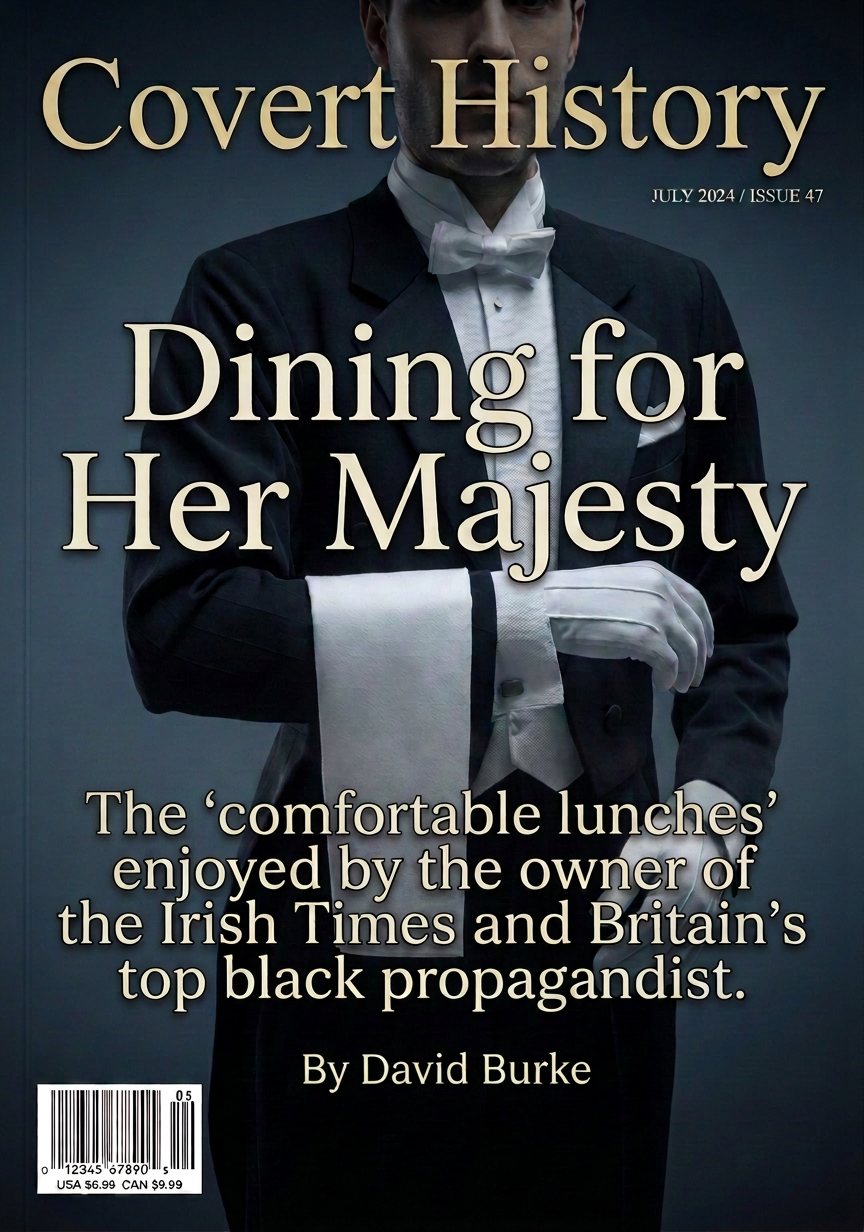
Dining for Her Majesty.
Introduction: The Irish Times apologetically sought guidance on what to report from London. In an earlier article in this series – which looks at British intelligence propaganda operations and The Irish Times – I outlined how Maj. Thomas McDowell, the Belfast-born Unionist, ex-British Army, ex-MI5, owner of the paper, had approached 10 Downing Street in…
-
Whitehall sought dirt on John Hume.
By David Burke. A memo released from Britain’s National Archives in 2020 revealed discussions at the apex of the British government about salacious rumours relating to John Hume’s private life. It was sent to Sir Robin Butler, Cabinet Secretary to John Major’s government, and also to Major’s private secretary, Sir Alex Allan. Allan is not…
-
Misrepresenting Haughey’s relationship with the Provos. The Irish Times promoted the Official IRA’s version of the Arms Crisis.
The Irish Times promoted the Official IRA’s version of the Arms Crisis
-
The Artful Dodger:
By Sean Brennan. I have just read the article in the Sunday Independent [20 June] concerning whether RTE contacted Des O’Malley first while the station was producing the GunPlot series. It is the second article which the Sunday Independent has produced about the issue. The earlier one – written by Des O’Malley – appeared on…
-
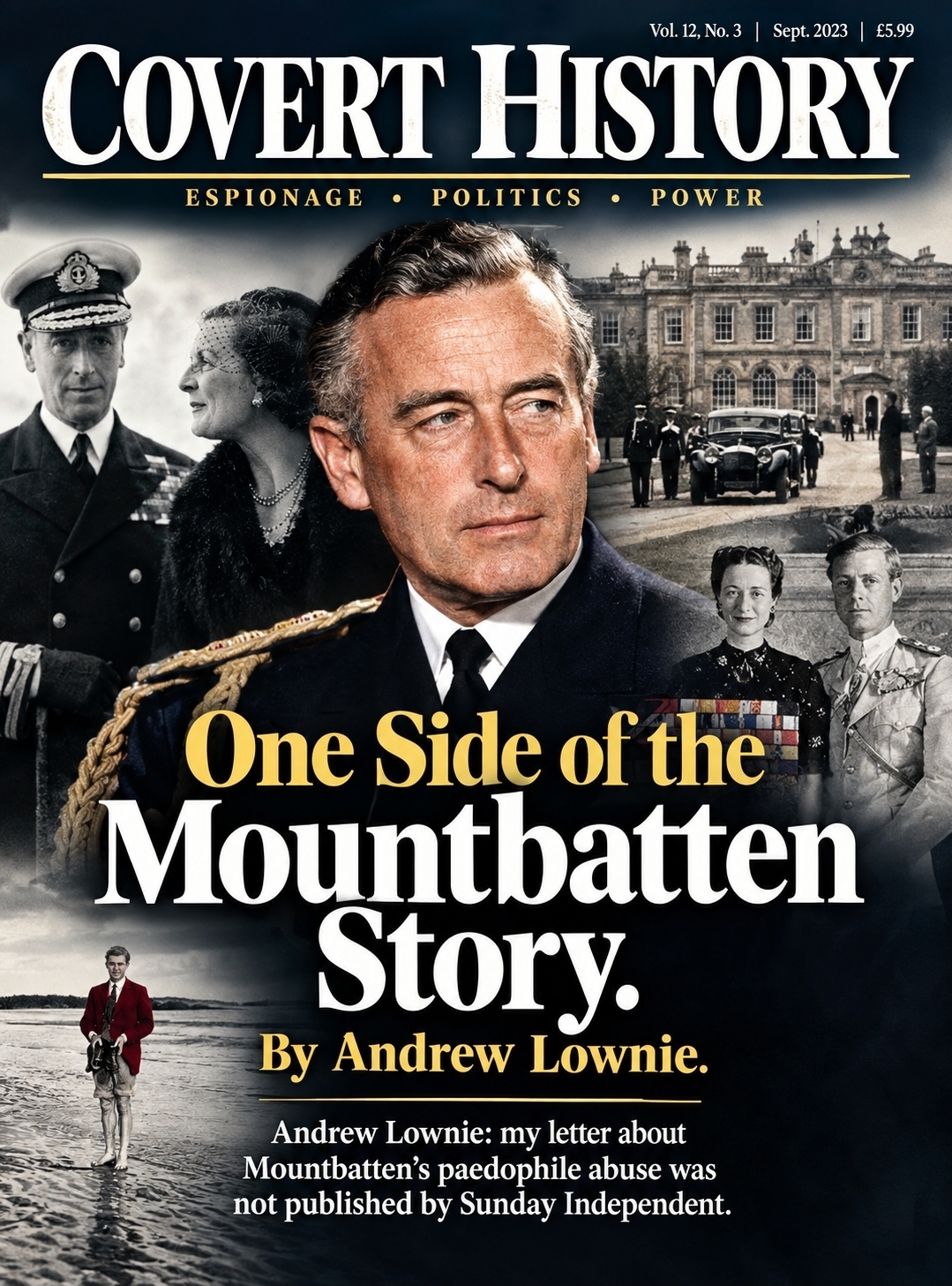
Andrew Lownie.
By Andrew Lownie. A few weeks ago the Irish Times ran an article on the death of Mountbatten linked to the new series of The Crown in which the murder features in the opening episode. As the author of the most recent biography ‘The Mountbattens: Their Lives and Loves’, I was interviewed for the piece on…
-
Chris Ryder.
The legacy of Chris Ryder, the former Sunday Times (ST) journalist who passed away on Friday 2 October 2020, is not one to be proud of: he was one of a number of journalists who helped MI5 and the RUC’s Special Branch cover up the rape of children who had fallen into the grip of…
-
Vandalising history.
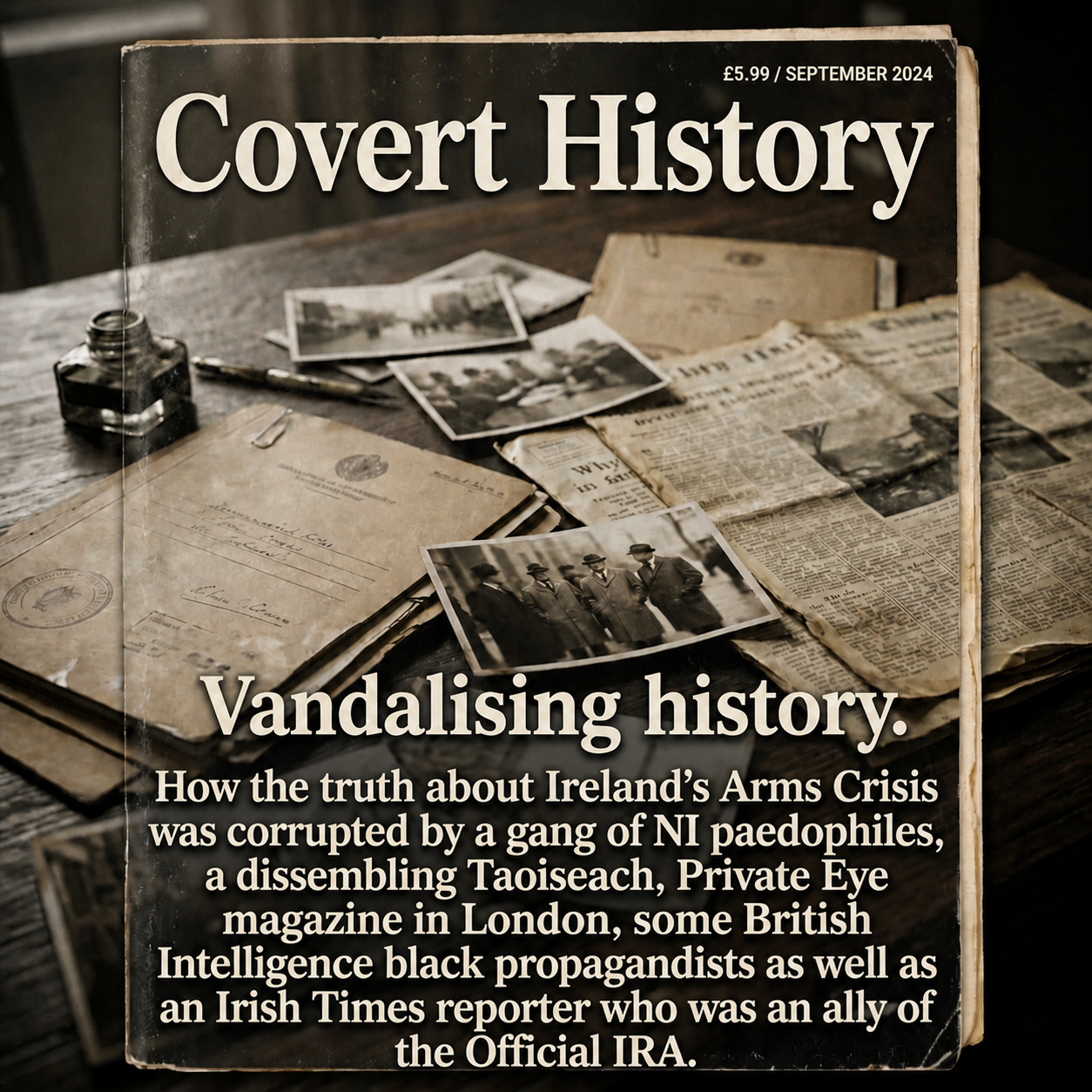
By David Burke. Introduction. The story of the Arms Crisis is a perfectly simple one. It only becomes complicated when the lies, fantasies and myths that engulfed it are entertained as if serious. Only two participants in the débacle told the full, accurate and unvarnished truth: Captain James Kelly and Colonel Michael Hefferon, both dutiful…
-
Dick Walsh’s covert committee monitored OIRA media enemies. Future Irish Times Assistant editor put colleagues on lists.
By David Burke. THE OFFICIAL IRA AND OFFICIAL SINN FÉIN The IRA fractured in December 1969 into what became known as the Provisional IRA and the Official IRA. Sinn Féin split along the same lines the following month. Before the division, the IRA had been led by IRA veterans such as Cathal Goulding, who was…
-
Irish Times fraud.
The Assistant Editor of the Irish Times distorted the truth about the Arms Crisis. He was a friend of both the chief of staff of the Official IRA and the Taoiseach, ‘Honest’ Jack Lynch. The Official IRA had a vested interest in manipulating the story. Over time, the journalist portrayed Lynch as the hapless victim…
-
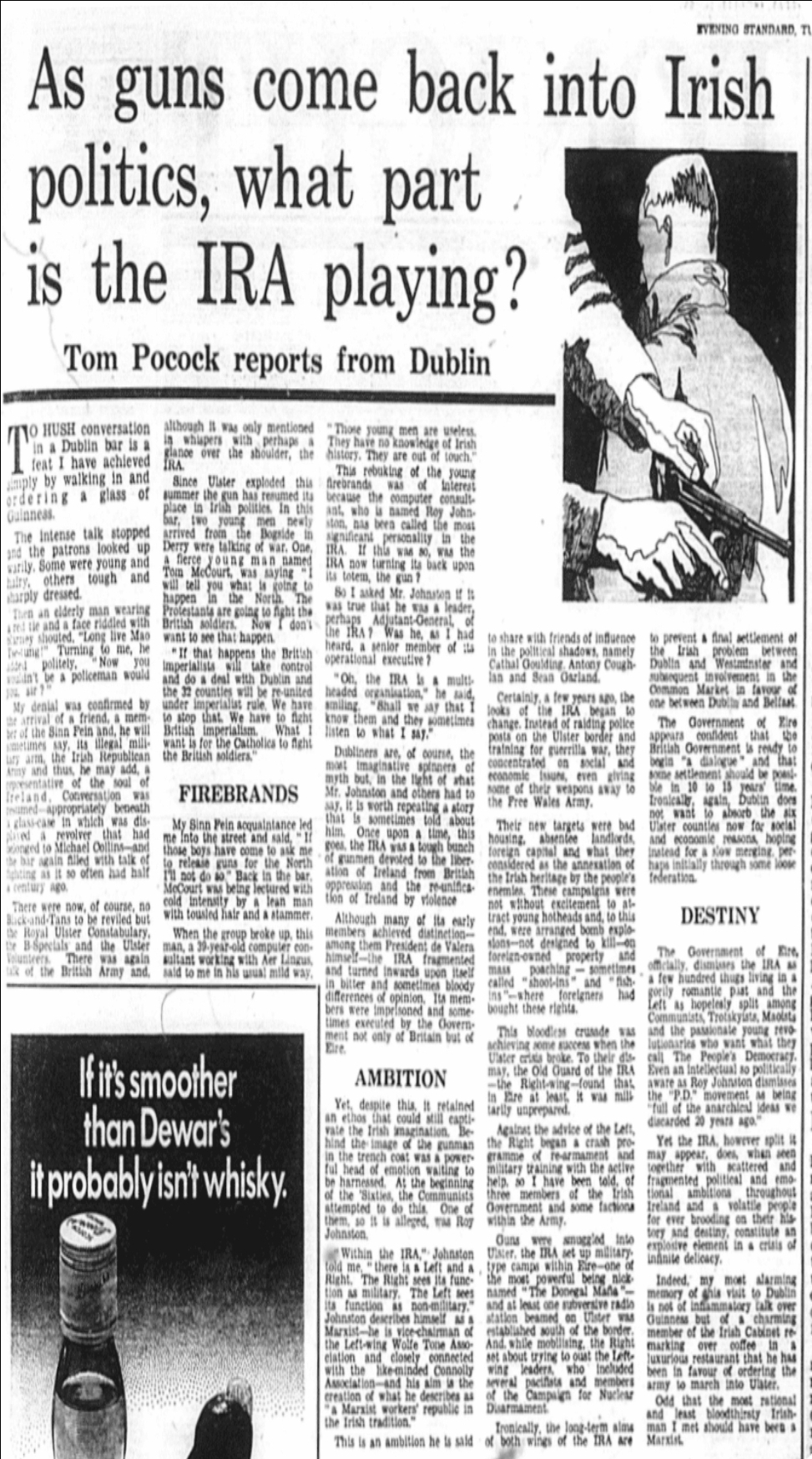
The Forgotten Arms Crisis Scoop: how a London newspaper reported details of what became known as the Arms Crisis nearly seven months before it erupted in Ireland.
Séamas Ó Tuathail was the first journalist to discover details of what was to become known as the Arms Crisis but chose not to report it. Unbeknownst to him, some of the information he dug up was relayed to a British journalist by a talkative senior member of the IRA. The resulting British newspaper article…



![Our Man in Dublin. [WebBook]](https://coverthistory.ie/wp-content/uploads/2024/11/Screenshot_20260913_222347_ChatGPT.jpg)